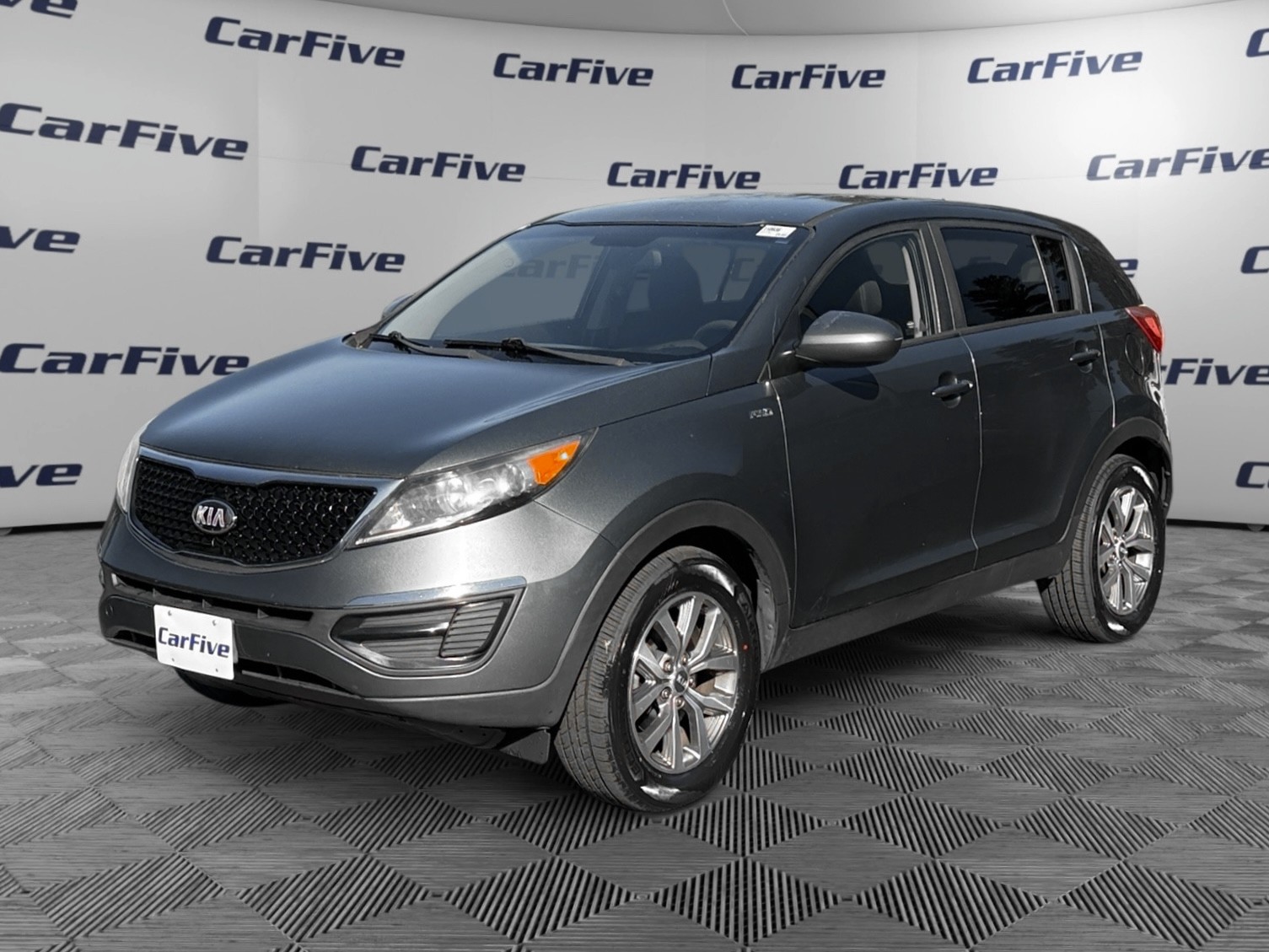
#110936On the lot
Loading this answer…
Comparison · Plaistow, NH
The short answer
If you drive plowed roads, I-95 to Portland or Route 1 along the Seacoast, all-wheel drive is the easier choice: it works on its own, with no switch to flip. If your drive ends on a camp road, an unplowed driveway or a boat launch, choose four-wheel drive with a low range. Either way, winter tires do more for stopping than any drivetrain.
| All-wheel drive | Four-wheel drive | |
|---|---|---|
| How it works | Always on or automatic; sends power to the wheels with grip | You switch it on; part-time systems lock the front and rear together |
| Where it shines | Plowed highways and town streets | Deep snow, mud, camp roads and launches |
| Low range | Usually none | Yes on most, for steep or slow going |
| Dry pavement | Drive it as normal | Keep part-time systems in two-wheel drive |
| Fuel and upkeep | Usually easier on fuel | A transfer case and front axle to look after |
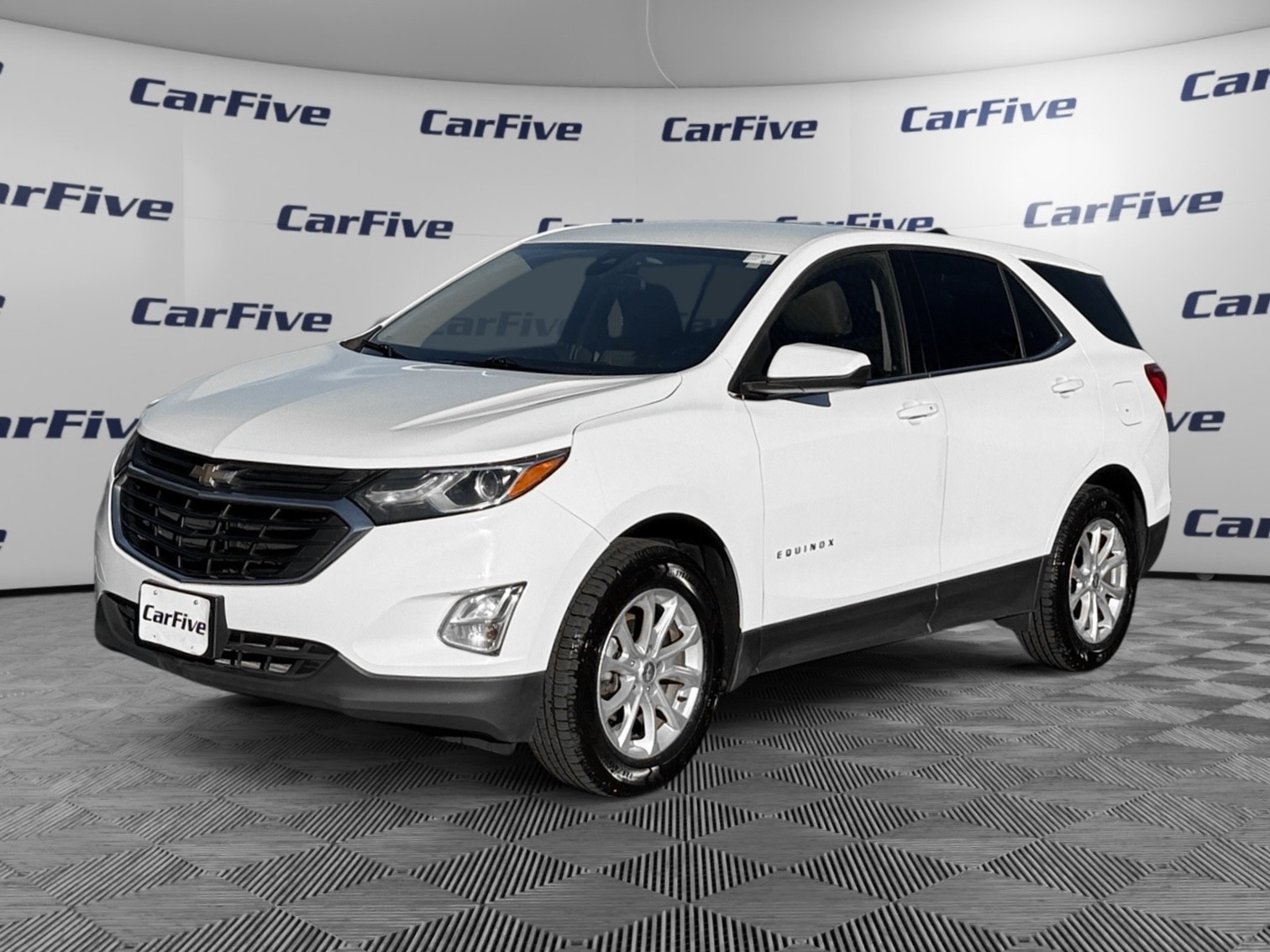
LT

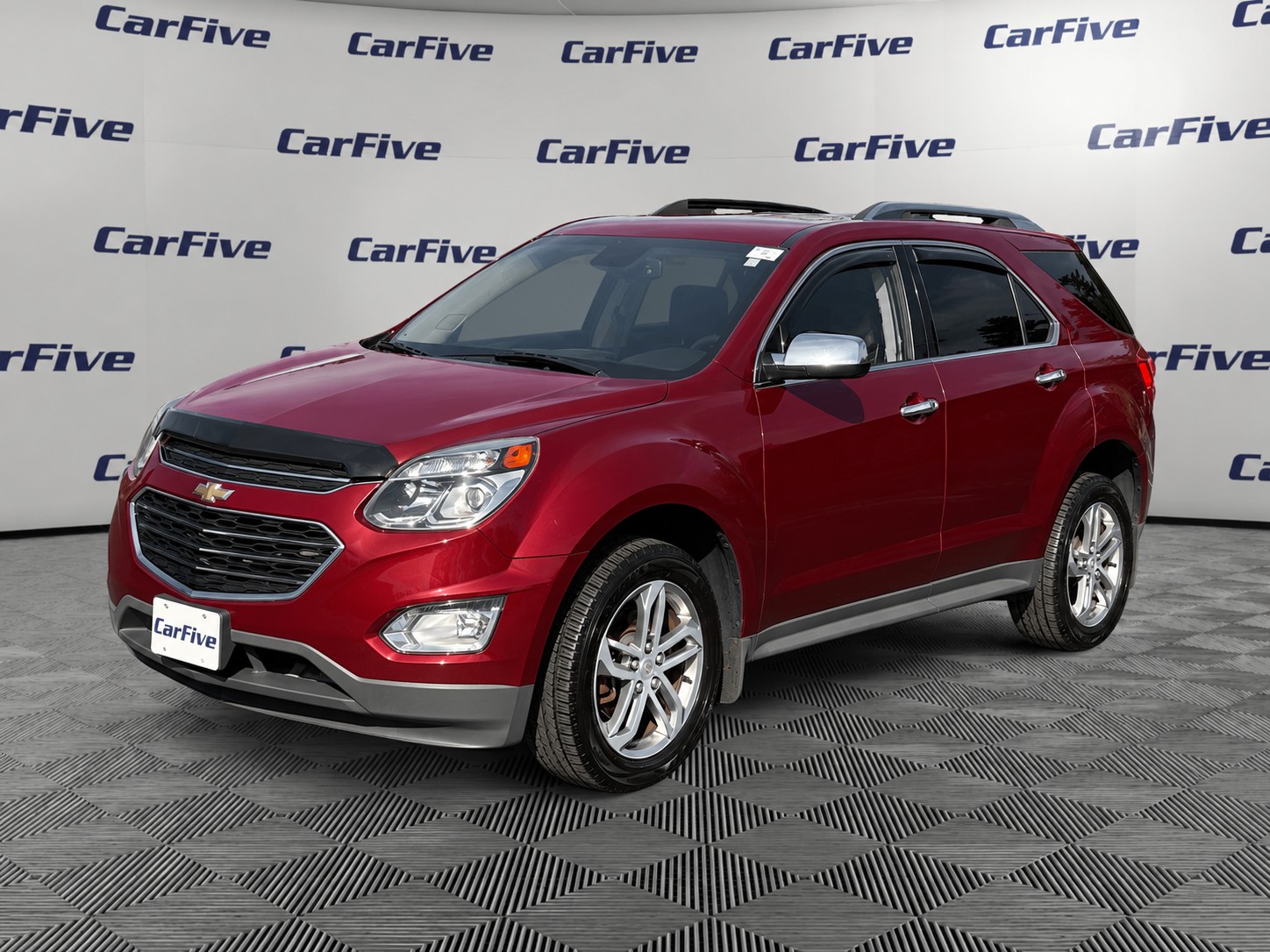

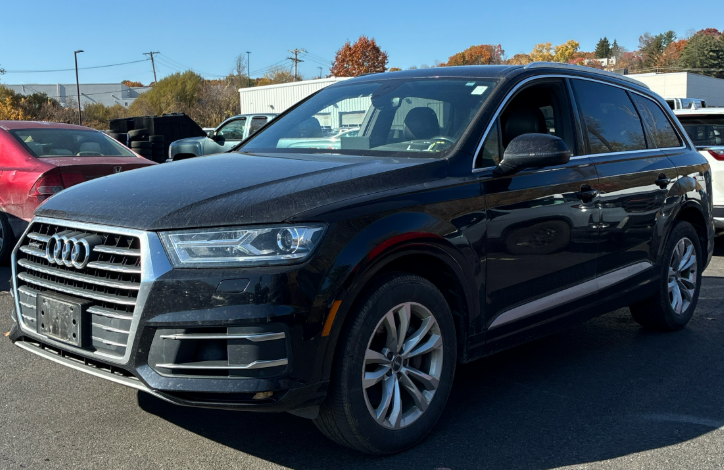

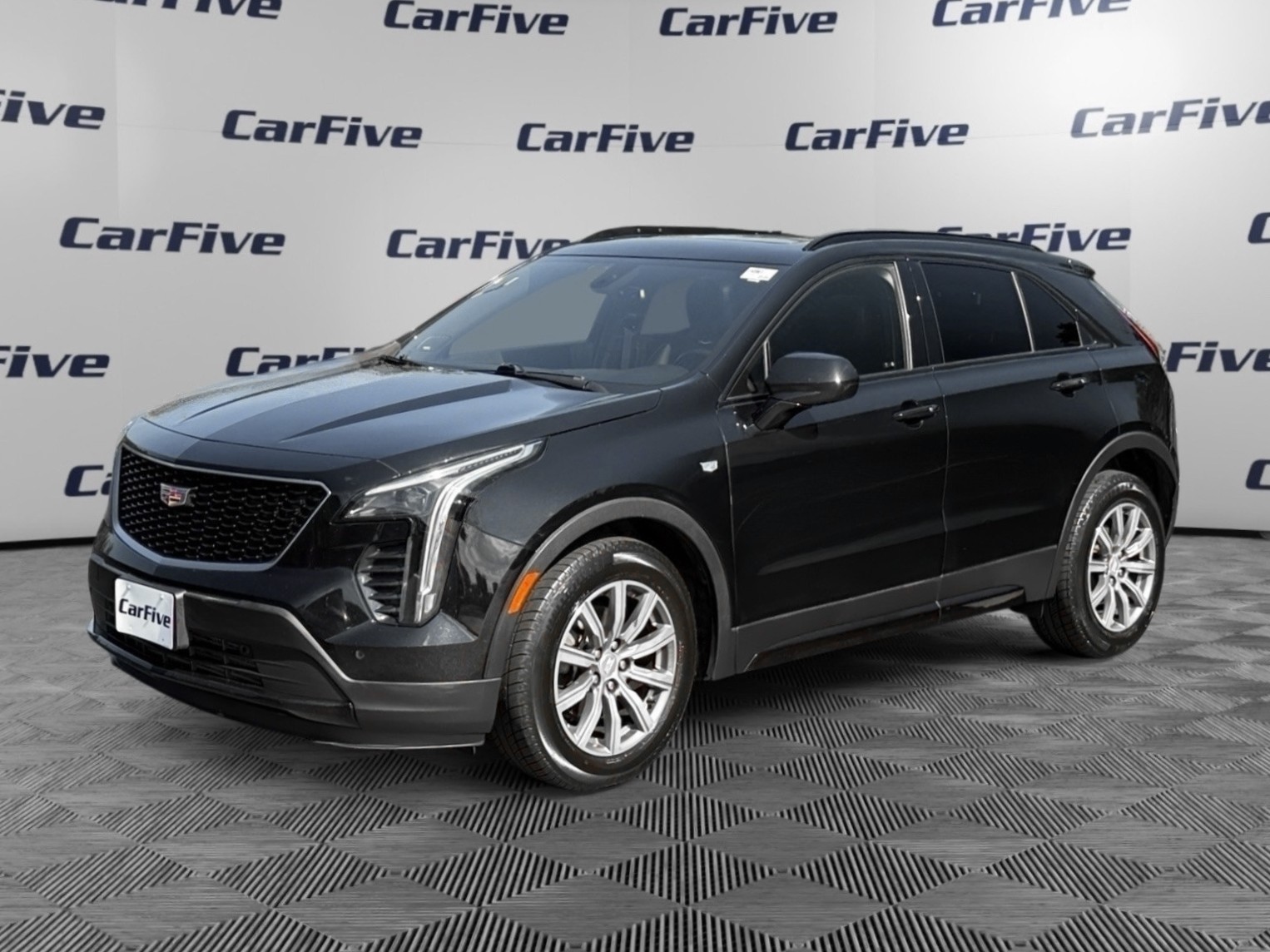


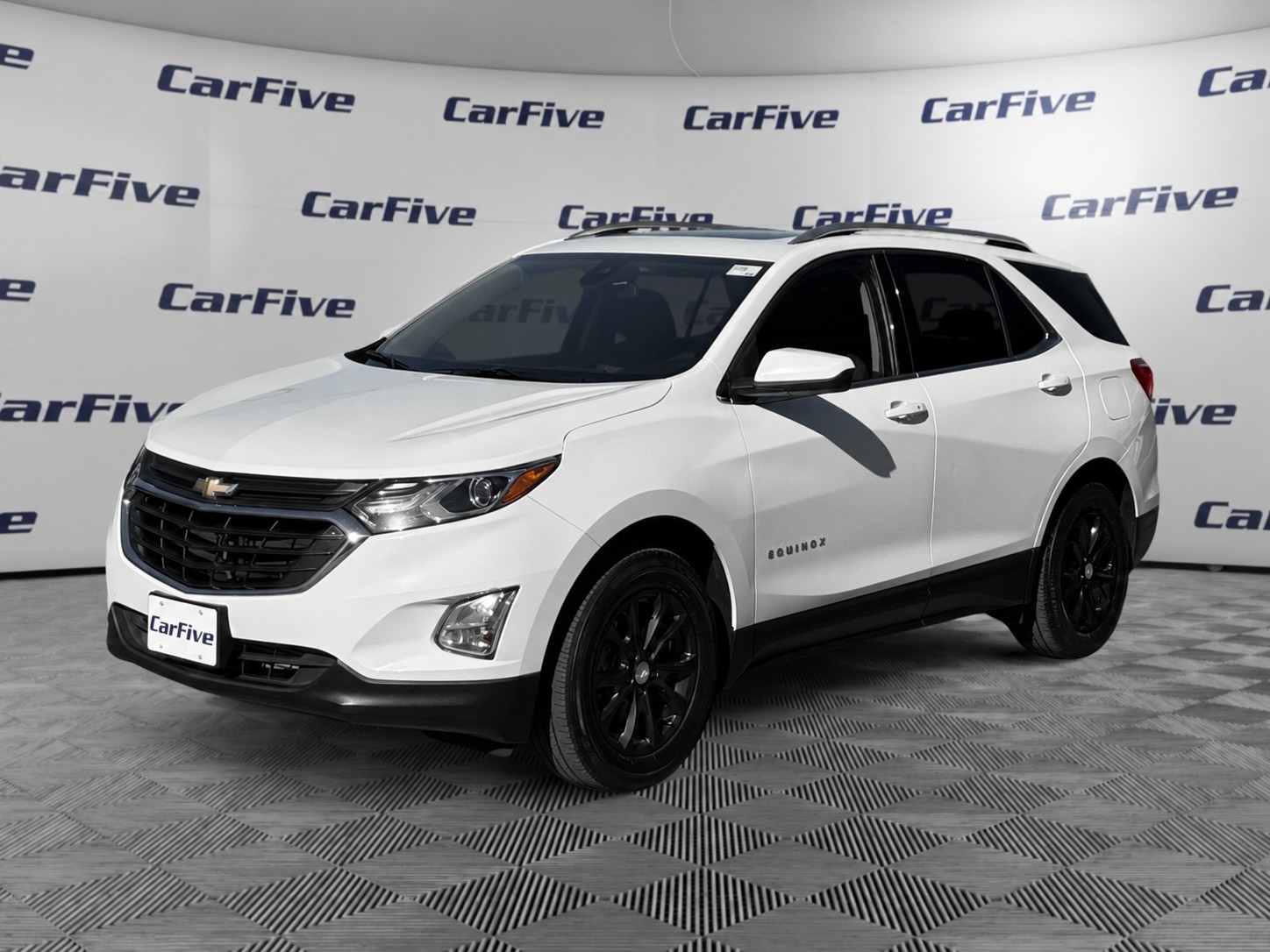
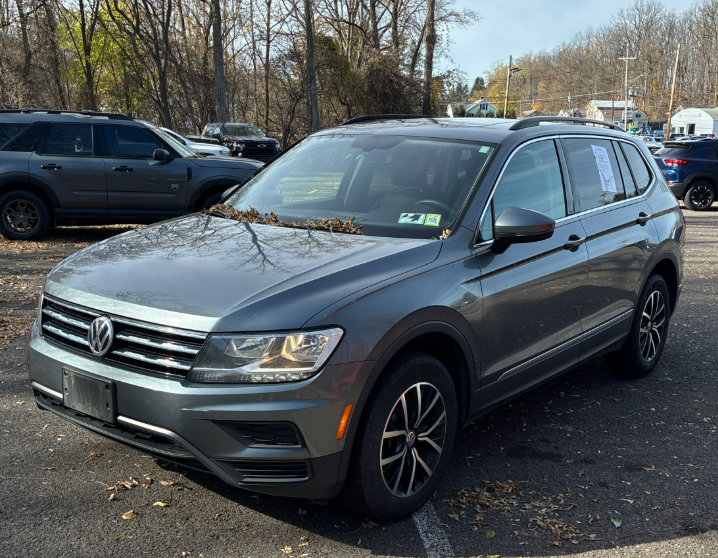
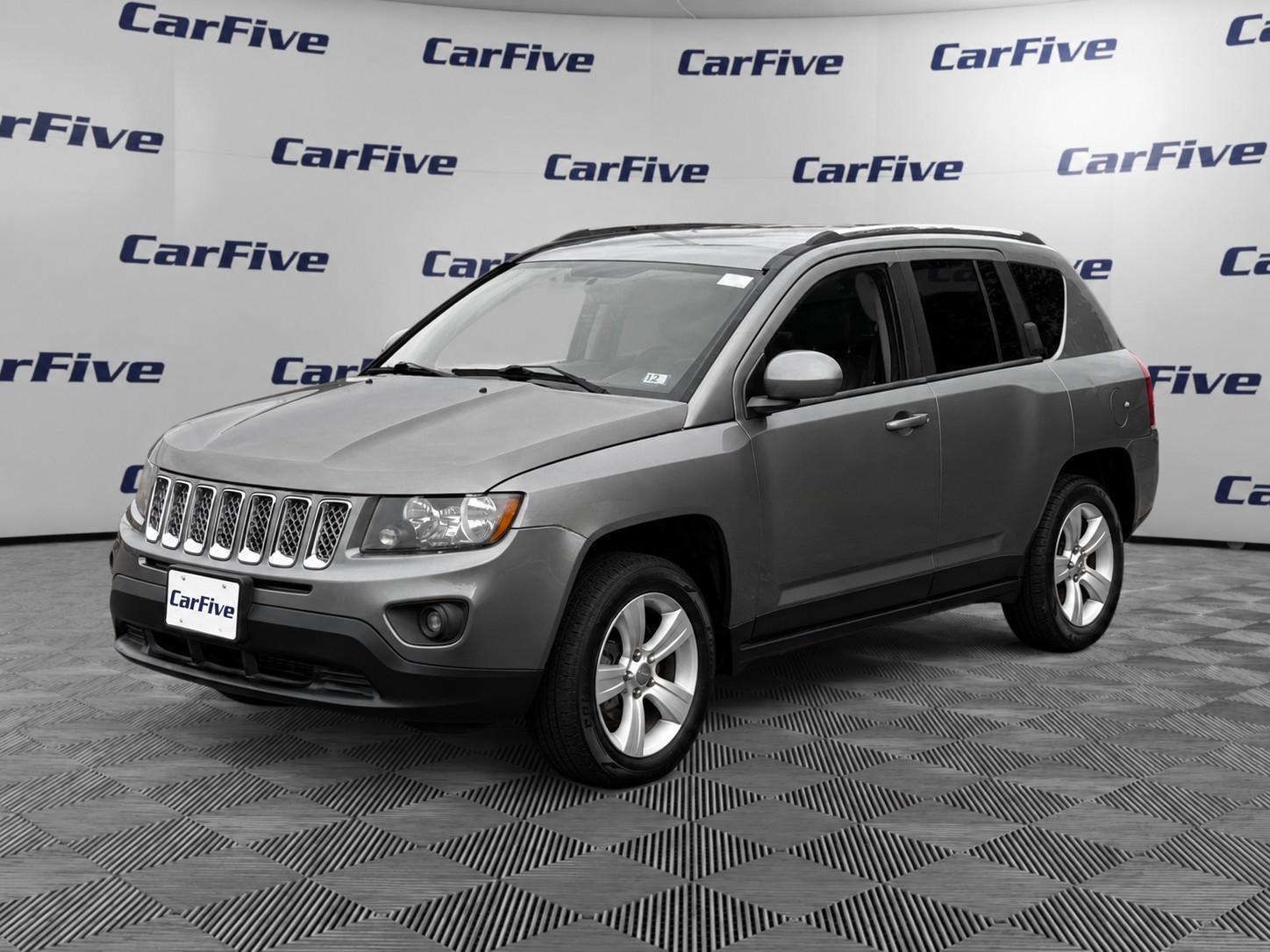


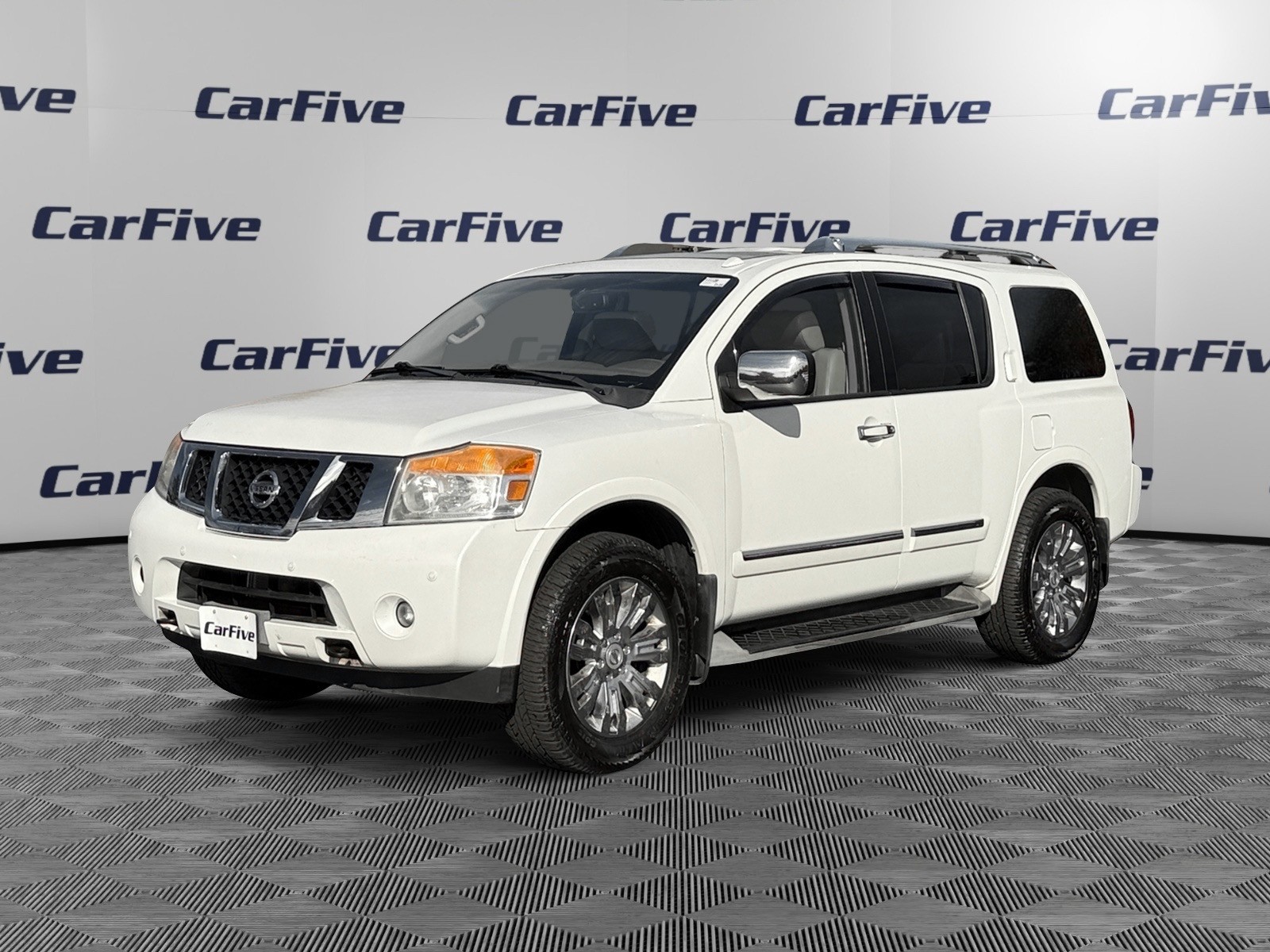


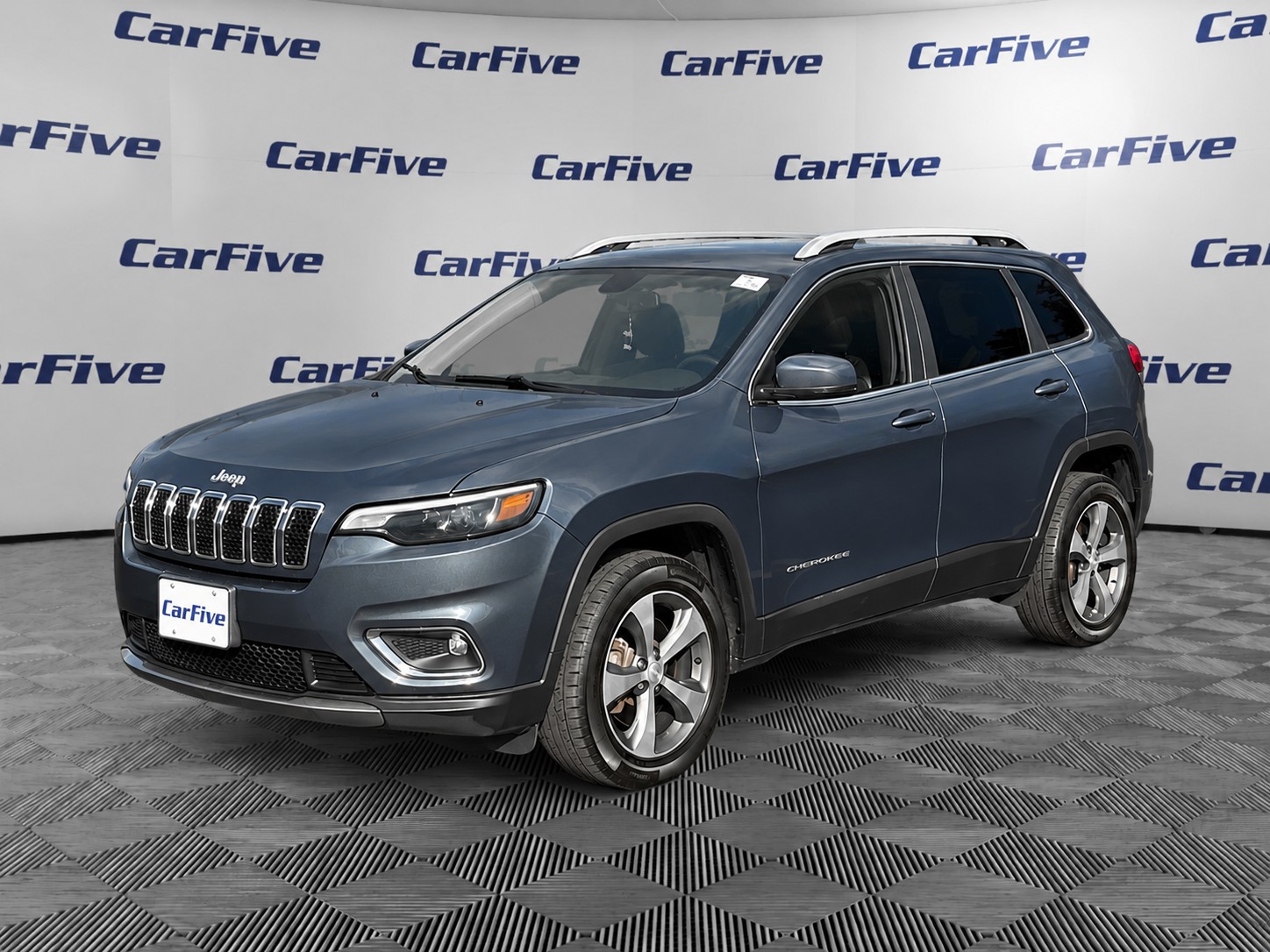

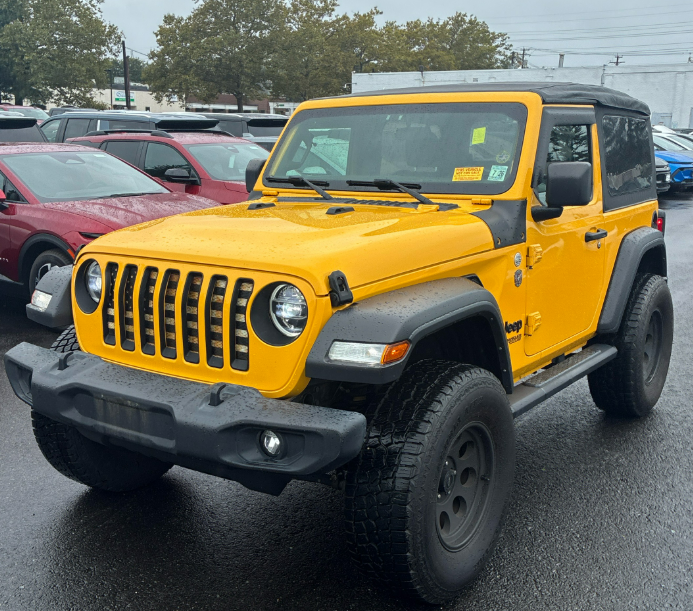
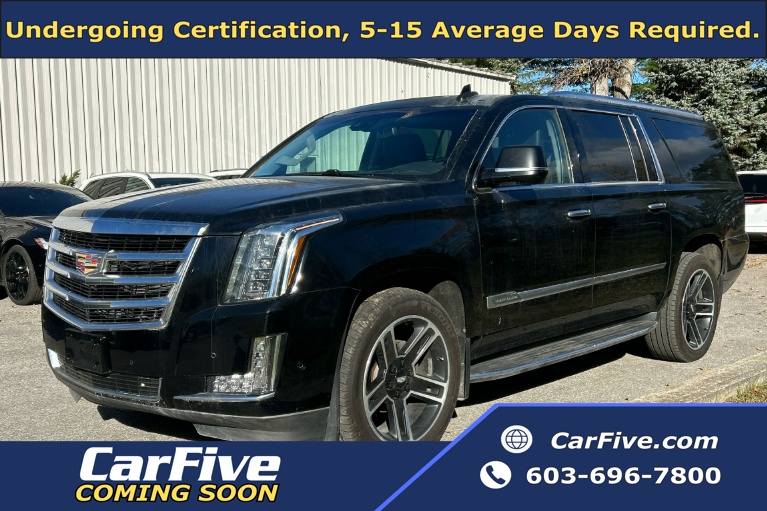

Mostly I-95, Route 1 and plowed town roads? That points to all-wheel drive.
A dirt camp road, steep driveway or boat ramp points to four-wheel drive.
Towing a boat or a snowmobile trailer? Look for four-wheel drive and a factory tow package.
Either way, budget for a set of winter tires.
Look underneath for salt rust; Seacoast air and winter roads are hard on brake lines.